Roof access hatches are essential for residential and commercial properties in Adelaide, providing safe and convenient entry to rooftops for maintenance, inspections, and emergency access. Whether you manage a commercial building in the CBD or a suburban home, roof access hatches improve safety, ensure compliance with local building codes, and make roof maintenance more efficient. From lighting installations to HVAC inspections and rooftop inspections, having reliable roof hatches ensures your property remains functional and safe throughout the year, no matter Adelaide’s weather conditions.
Why Roof Access Hatches Are Important in Adelaide
Roof access hatches provide practical solutions for safe rooftop entry. They provide access to attic spaces, rooftop gardens, solar panels, and lighting systems while protecting occupants and maintenance personnel from falls and other accidents. In Adelaide, where summers can reach extreme temperatures and occasional storms occur, durable roof access hatches prevent interior damage while complying with South Australia’s strict building codes. Properly designed hatches also support energy efficiency by reducing heat transfer and improving ventilation in roof spaces.
Types of Roof Access Hatches
Choosing the right roof hatches for Adelaide properties depends on material, design, and intended use. Common options include:
- Timber Hatches: Aesthetic and versatile, timber hatches are ideal for residential homes and interior attic access.
- Aluminium Hatches: Lightweight and durable, aluminium roof hatches resist corrosion and are perfect for commercial buildings or rooftops exposed to harsh weather.
- Steel Hatches: Extremely robust and often used in industrial settings where extra strength and security are required.
- Insulated Hatches: Reduce heat transfer, keeping buildings cooler in summer and warmer in winter, supporting Adelaide’s energy efficiency goals.
- Fire-Rated Hatches: Mandatory in certain commercial and multi-storey buildings, they provide additional safety in emergencies.
Selecting the correct hatch type ensures safe access while protecting the roof structure and improving overall building performance.
Placement and Installation Considerations
The placement of roof access hatches affects safety, usability, and accessibility. In Adelaide, hatches are commonly installed in garages, hallways, or utility rooms to provide convenient access to attics or flat roofs. In commercial properties, hatches are often placed near maintenance areas or service rooms to provide access to rooftop lighting, HVAC units, and other equipment.
Local building codes in Adelaide require that roof access hatches be paired with secure ladders, well-sized hatchways, and appropriate fall protection measures. Working with licensed installers ensures hatches are installed correctly, seals are airtight, and ladders or hatchway covers meet safety standards. Professional installation also guarantees smooth operation, preventing problems such as jammed hatches or unstable ladders that could lead to accidents.
Maintenance Tips for Roof Access Hatches
Regular maintenance is essential to ensure roof access hatches remain functional and safe. Adelaide’s climate, with its hot summers, occasional heavy rain, and strong winds, can cause wear and tear over time. Key maintenance steps include:
- Inspecting ladders and hatchway hinges for stability and damage.
- Sealing timber hatches to prevent rot and weathering.
- Cleaning aluminium or steel hatches to avoid corrosion and dirt accumulation.
- Ensuring insulated hatches remain airtight to maintain energy efficiency.
Proper maintenance enhances safety, extends the hatch’s lifespan, and protects roof-mounted equipment such as lighting systems and solar panels. Regular inspections also help identify potential hazards before they become serious issues.
Applications for Residential and Commercial Properties
Roof access hatches serve a wide range of purposes. In residential settings, they provide access to:
- Rooftop gardens or terraces
- Solar panels and water tanks
- Attic storage areas
In commercial buildings, hatches are crucial for:
- Servicing rooftop lighting systems
- HVAC inspections and maintenance
- Structural and roof inspections
Choosing the right access hatch—whether a simple residential hatch or a reinforced roof hatch for commercial use—improves safety, efficiency, and overall building functionality. Features like anti-slip ladders, hatchway covers, and secure locking mechanisms further reduce the risk of accidents during rooftop work.
Choosing Roof Access Hatch Suppliers in Adelaide
Working with local suppliers ensures roof access hatches are suitable for Adelaide’s climate and building requirements. Licensed installers provide:
- Customised solutions for both residential and commercial needs
- Expert installation of ladders, hatchways, and roof hatches
- Compliance with South Australian building and safety codes
Reliable suppliers also offer ongoing support, maintenance advice, and high-quality materials designed to withstand Adelaide’s unique weather conditions. Investing in professional installation guarantees that your roof access hatches remain safe, durable, and functional for many years.
Conclusion: Investing in Safety and Accessibility
Roof access hatches are a vital addition to any Adelaide property. They provide safe, convenient, and compliant access to rooftops for maintenance, inspections, and emergencies. Selecting the right materials, installing secure ladders and hatchways, and performing regular maintenance ensures maximum safety and energy efficiency.
From residential attics to commercial rooftops with lighting, HVAC systems, or solar panels, high-quality roof access hatches protect your property while enhancing usability and value. For Adelaide homeowners and building managers, investing in well-designed roof access hatches is a smart decision that guarantees long-term accessibility, safety, and peace of mind.
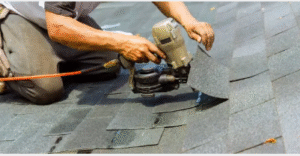 Weather conditions greatly influence the performance and lifespan of roofing materials. That’s why it’s crucial to choose roofing that can withstand the specific climate challenges of your region.
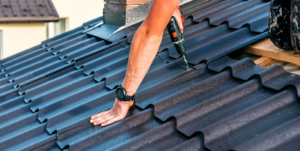 Roof restoration can effectively enhance the aesthetics and value of your home, drawing buyers in. An outdated or weathered roof could turn away potential buyers; renovating it will make your house appear brand new while increasing its worth. Furthermore, keeping it well-maintained protects against weather elements while helping keep temperatures cool and safe inside.
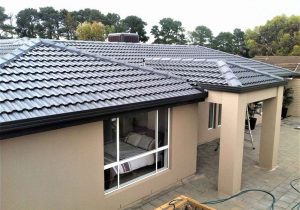 who have recently used roof repair services are in a better position to provide you with feedback, recommendations, and share their concerns with you. Although you might view this is a waste of time, doing this will save you money and prevent you from making mistakes by hiring the wrong company. You can as well visit online forums especially one that is related to your geographical area and see what other homeowners or clients are saying about specific roofing experts.