When it comes to building or renovating a home, few elements are as crucial as your choice of roofing materials. A roof not only protects your property from the elements but also plays a vital role in insulation, energy efficiency, and the overall aesthetic of your home. However, with numerous types of roofing materials available in Adelaide, selecting the right one can be overwhelming, especially when trying to balance your climate needs with your budget.
In this guide, we’ll help you understand how to choose the best roofing materials by considering two essential factors: your local climate and your financial limitations.
1. Understand Your Climate Requirements
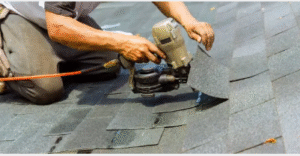 Weather conditions greatly influence the performance and lifespan of roofing materials. That’s why it’s crucial to choose roofing that can withstand the specific climate challenges of your region.
• Hot and Sunny Climates
If you live in an area with high temperatures and constant sun exposure, choose roofing materials that reflect rather than absorb heat. Clay tiles, metal roofing, and light-colored asphalt shingles are great choices for hot climates. These materials help maintain cooler indoor temperatures and reduce energy bills.
• Rainy or Humid Areas
In areas prone to frequent rain or high humidity, moisture resistance is a top priority. Metal, asphalt, and clay tiles are resistant to water damage and mildew. Ensure the roofing is properly sealed to prevent leaks and mould growth over time.
• Wind-Prone Zones
If you live in a coastal or storm-prone area, opt for impact-resistant roofing materials that can withstand high winds. Metal panels, architectural shingles, and concrete tiles tend to perform well under these conditions. Additionally, ensure that your roofing system is installed in accordance with local building codes for wind resistance.
2. Compare the Most Popular Roofing Materials
Let’s take a closer look at the most commonly used roofing materials, along with their pros and cons.
• Asphalt Shingles
Pros: Affordable, easy to install, and available in a variety of colours.
Cons: Shorter lifespan (15–30 years) and can be less durable in extreme climates.
Best For: Homeowners on a budget in moderate climates.
• Metal Roofing
Pros: Long-lasting (up to 50+ years), fire-resistant, and energy-efficient.
Cons: Higher upfront cost and potential noise during rain or hail.
Best for: All climates, especially those in hot or snowy regions.
• Clay and Concrete Tiles
Pros: Extremely durable, weather-resistant, and attractive.
Cons: Heavy (may require reinforced structure) and more expensive.
Best For: Hot and coastal climates.
• Slate
Pros: Natural appearance, very long lifespan (up to 100 years), and low maintenance.
Cons: Expensive and heavy.
Best For: High-end homes in cold or wet climates.
• Wood Shingles and Shakes
Pros: Beautiful, natural look with decent insulation.
Cons: Requires maintenance, not fire-resistant unless treated.
Best For: Dry climates where aesthetics are a priority.
3. Balance Cost and Long-Term Value
While your budget may be a key consideration, it’s essential to think long-term when selecting roofing materials. Cheap materials may save money upfront, but can lead to higher maintenance costs or earlier replacements.
Metal roofing, for example, may cost more initially than asphalt shingles, but it typically requires less maintenance and lasts two to three times longer. Consider the total cost of ownership, including installation, maintenance, repairs, and expected lifespan.
Also, many energy-efficient materials can reduce your utility bills over time, offering better returns on investment.
4. Check Local Building Codes and HOA Guidelines
Before making a final decision, always verify your area’s building codes and Homeowners’ Association (HOA) requirements. Certain materials may be restricted or require specific installation methods in your locality.
5. Hire a Qualified Roofing Contractor
Choosing the right roofing materials is only part of the equation. Proper installation is just as important. Even the highest-quality materials can fail if not installed correctly. Be sure to hire a licensed and experienced roofing contractor who understands the local climate conditions and building standards in your area.
Final Thoughts
Selecting the best roofing materials for your home involves more than just picking what looks good or fits your budget. You need a solution that withstands your region’s weather while offering long-term value. Whether you opt for the affordability of asphalt shingles or the durability of metal roofing, the right choice can enhance your home’s safety, efficiency, and resale value.
By assessing your climate, understanding the pros and cons of various materials, and considering the long-term implications, you’ll be better equipped to make a confident, informed decision about your next roof.