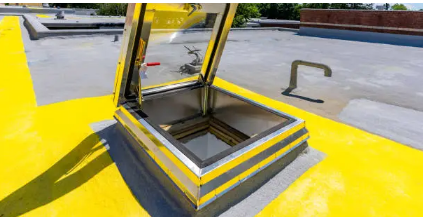
In Adelaide — where summers are hot and dry, and winters deliver sporadic heavy rainfall — investing in well‑made roof access hatches is essential for building owners who want safe, reliable, and long‑lasting entry to the rooftop. A properly designed roof access hatch offers more than convenience: it ensures compliance with local building standards, protects against weather extremes, and supports safe rooftop maintenance.
Why High-quality Roof Access Matters in Adelaide
Adelaide sits within a Mediterranean climate, with scorching summers and cooler, wet winters. These temperature swings — along with intense UV exposure, occasional storms, and rainfall — can place significant stress on roofing materials. Poorly made or improperly installed roof access systems are more likely to leak, degrade over time, or compromise structural integrity under such conditions.
By contrast, a well‑constructed roof access hatch provides a secure, insulated hatchway that resists heat, rain, wind, and UV — safeguarding both the rooftop and the building’s interior. Such robustness matters especially in Adelaide’s environment.
Compliance and Safety: Standards and Building Requirements
For any permanently installed access to a rooftop — whether for maintenance of skylights, solar panels, HVAC equipment, or roof inspection — compliance with standards is mandatory. In Australia, the relevant benchmark is AS 1657:2018, which governs the design, construction, and installation of fixed platforms, walkways, stairways, ladders, and access systems in buildings.
Under these requirements:
- Fixed ladders or step‑type ladders must provide safe, stable access from floor level to roof sheeting.
- Any hatch for roof access must be installed with adequate structural support, insulation, and appropriate sealing.
- Open hatchways must be accompanied by safety features such as locks, guardrails, or perimeter protection, and secure opening mechanisms (e.g., gas-strut-lifted or smooth-sliding lids) to prevent accidental falls.
Meeting these standards ensures that roof access hatches are safe not only at installation but throughout their service life — especially when multiple people or maintenance crews need regular rooftop entry.
Material Quality and Construction: What Makes a Hatch “Well-made”
A well-made roof access hatch must address several critical factors — structural integrity, weatherproofing, thermal resistance, and longevity. In Adelaide’s climate, this often means:
- Durable, corrosion‑resistant materials — metal hatches using aluminium frames and zincalume or Colorbond sheeting tend to withstand UV, heat, and occasional storms better than cheaper alternatives.
- Insulation and sealing — double‑skin or insulated lids with EPDM or equivalent seals help prevent water ingress during rain and reduce heat transfer in summer.
- Easy and secure operation — a hatch that opens smoothly with gas-strut assist, locks securely, and is easy to handle simplifies rooftop access, improves safety, and reduces wear over time.
- Adaptability to roof type — including suitable flashing kits, compatibility with corrugated or tray-deck roofs, and custom sizing — ensures the hatch integrates properly with the existing rooftop, avoiding leaks or structural weaknesses.
Such design and construction quality directly contribute to the long-term durability and reliability of the access hatch — important when rooftop maintenance (e.g., solar panel inspection, gutter cleaning, skylight servicing) must be done safely and efficiently.
Practical Benefits for Homeowners and Building Managers
Installing a well-made access hatch brings multiple practical advantages:
- Safe routine maintenance — whether it’s servicing rooftop equipment, cleaning gutters, or inspecting for leaks after storms, a reliable roof access system means maintenance crews or homeowners don’t need precarious external ladders.
- Improved energy efficiency & comfort — proper insulation and sealing reduce thermal transfer, helping homes stay cooler during summer and avoiding heat infiltration through the hatch. This can reduce cooling energy use.
- Reduced long-term repair costs — minimising leaks, preventing intrusion during storms, and avoiding damage from UV or corrosion prolongs overall roof life.
- Compliance and insurance safeguards — meeting standards like AS 1657 helps ensure building code compliance and may enhance insurance or resale value.
Key Considerations when Choosing a Hatch for Roof Access in Adelaide
When selecting a roof access hatch for a property in Adelaide, building owners or contractors should:
- Confirm compliance with AS 1657 and any relevant local building regulations.
- Choose materials suited to Adelaide’s climate — corrosion‑resistant metals, proper insulation, robust seals.
- Select a design compatible with the existing roof profile (corrugated, tray deck, tile, etc.) and equipped with appropriate flashing.
- Ensure the hatch includes safety features such as secure locking, smooth-opening mechanisms (e.g., gas struts or sliding doors), and guardrails or perimeter protection for rooftop access.
- If frequent rooftop access is needed (for maintenance, solar, skylight checks, etc.), consider complementing the hatch with a fixed ladder or stairway, guardrails, walkways, and proper lighting to meet safe-access standards.
Conclusion
For homes and buildings in Adelaide — with its Mediterranean climate of hot summers, wet winters, and occasional storms — investing in a well-made roof access hatch isn’t just a convenience: it’s a responsible, long-term decision that supports safety, durability, energy efficiency, and regulatory compliance. By prioritising high-quality materials, proper installation, insulation, and safety mechanisms, property owners can ensure reliable, safe rooftop access for years, minimising maintenance costs and safeguarding their property against weather- and wear-related damage.
Adopting such a roof access system today is a forward-looking move toward safer, more resilient building management in Adelaide’s climate.